Ants · September 9, 2025 · 3 min read
How to Get Rid of Ants in Your House and Yard, Naturally
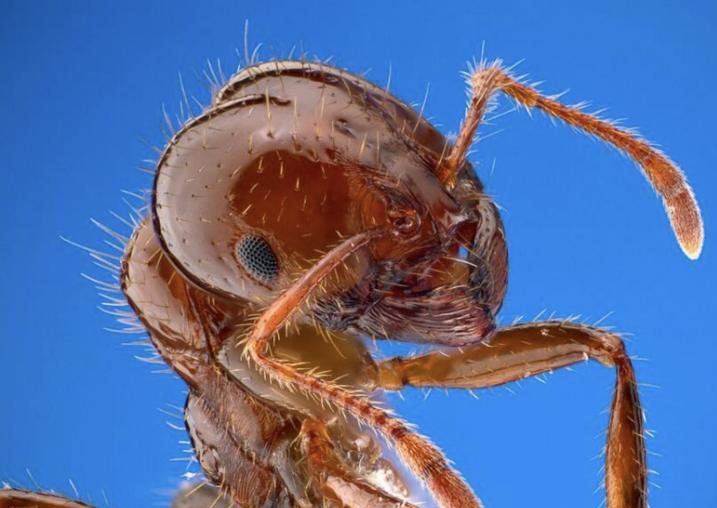
To get rid of ants in the house, you need to stop the food source, break the trail, and deal with the colony, not just the ants you can see. Spraying individual ants might feel productive, but it usually makes the problem last longer.
Ants come inside for food, water, and shelter. Take those away, and most infestations lose momentum fast.
How to get rid of ants in the house
Start with the basics before reaching for sprays.
Focus on:
- Removing food and crumbs (especially overnight)
- Cleaning ant trails with vinegar or soap-based cleaners
- Sealing cracks around doors, windows, and baseboards
- Treating the source, not just the trail
Ants communicate through scent trails. If you don’t break the trail, they’ll keep coming back like they forgot something.
For ongoing issues, colony-targeting ant baits work better than contact sprays because ants carry them back to the nest.
How to get rid of ants from kitchen
Kitchens are ant central because they offer everything ants love.
Do these first:
- Store food in airtight containers
- Wipe counters nightly, even if they look clean
- Take out trash regularly
- Rinse recyclables before putting them in the bin
If ants are trailing to a specific spot, place ant bait near the trail, not directly on it. This lets worker ants bring the bait back to the colony instead of dying alone on your counter.
How to get rid of little ants
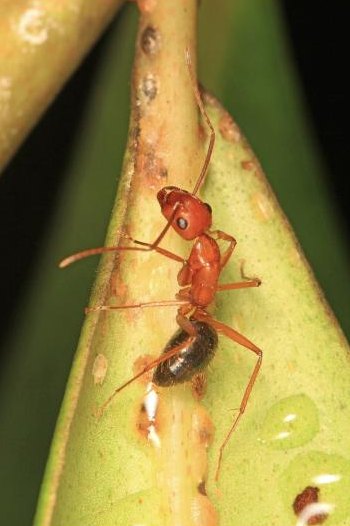
“Little ants” usually means species like ghost ants, pharaoh ants, or sugar ants. They’re small, persistent, and very good at exploiting tiny gaps.
What helps:
- Avoid spraying (this can cause colonies to split)
- Use bait products designed for small ants
- Reduce moisture around sinks and bathrooms
- Seal entry points with caulk
Tiny ants don’t mean a tiny problem. They mean the nest is somewhere you’re not looking.
How to get rid of ants the natural way
Natural methods can help reduce activity, especially for light infestations.
Common natural options include:
- Vinegar or soap-based cleaners to erase scent trails
- Diatomaceous earth (food-grade only, used carefully)
- Essential oils like peppermint or citrus as deterrents
Natural solutions work best as support, not a full solution. If ants are well-established, you’ll still need to address the colony.
How to get rid of ants from your house long-term
Short-term fixes don’t equal long-term results.
For lasting control:
- Treat both indoors and outdoors
- Eliminate food and water access
- Address entry points around the home
- Use colony-based treatments instead of sprays
Ants inside usually mean ants outside. If you only treat one, the other keeps the cycle going.
How to get rid of ants on bed
Ants on the bed usually means food or drinks were nearby, even briefly.
Steps to take:
- Wash bedding immediately
- Vacuum the area thoroughly
- Clean nearby surfaces to remove trails
- Identify where ants are entering the room
Ants don’t target beds on purpose. They’re just following a trail that shouldn’t be there.
How to get rid of ants bathroom
Bathrooms attract ants because of moisture.
To reduce activity:
- Fix leaks and dripping fixtures
- Keep sinks and counters dry
- Seal gaps around plumbing
- Treat trails leading into the bathroom
If ants keep returning, the nest is usually in a wall void or outside the home.
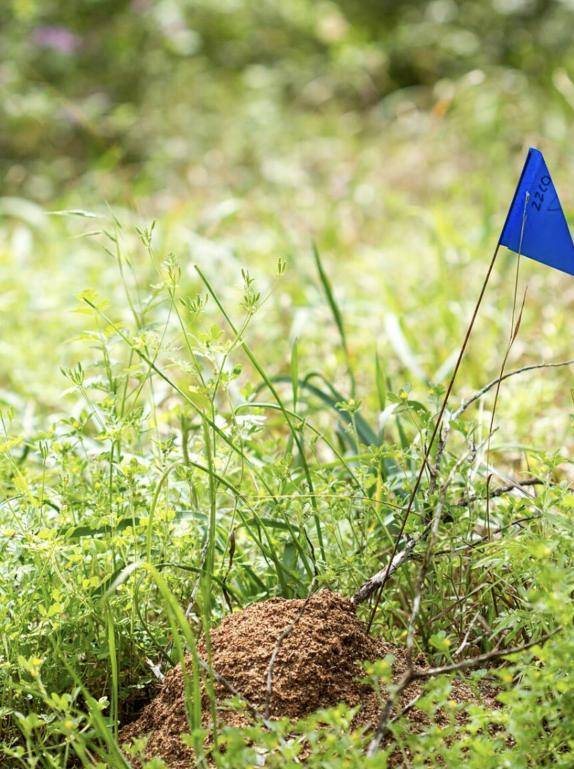
How to get rid of ants in your yard
Yard infestations often feed indoor ones.
Helpful steps:
- Remove debris and leaf piles
- Avoid overwatering
- Use outdoor ant baits instead of mound sprays
- Keep mulch away from the foundation
Yard treatment is key if ants keep coming back inside.
How to get rid of ants home when DIY isn’t enough
If ants keep returning despite cleaning and baiting, the infestation is likely established. That’s when professional help saves time and frustration.
At OrganoBug, we identify the ant species first, then use organic and low-toxicity treatments designed for Florida homes, kids, and pets. Because ants don’t pay rent—and they definitely shouldn’t be living in your walls.