Pest Control · August 5, 2025 · 4 min read
St. Petersburg and Tampa Pest Control FAQs
We’ve been in the pest control business here in the Bay area for more than a decade. Every time we step into a home, whether it’s downtown St. Pete, Seminole Heights, or South Tampa, we hear the same questions:
How often do I need service?
What pests should I worry about?
Is this safe for my pets and kids?
Below, we’re answering those questions (and a few you might not have thought to ask).
How often do I really need pest control in St. Pete and Tampa?
Florida homes are among the most at risk in the U.S. for infestations because of our subtropical climate (FUN!).
Most pest control professionals will recommend quarterly treatments keep most homes bug-free.
Older homes, homes near water, or houses with history of infestations may need every 2 months.
Unfortunately, Florida’s humid climate means pests are active year-round. Unlike northern states, there’s no “off season.”
What are the most common pests in our area?
Every neighborhood has its “regulars.” The pests we deal with most in St. Petersburg and Tampa include:
- Termites: Drywood termites swarm April–June, subterranean termites January–April. They cause $500 million in damage each year in Florida (UF/IFAS).
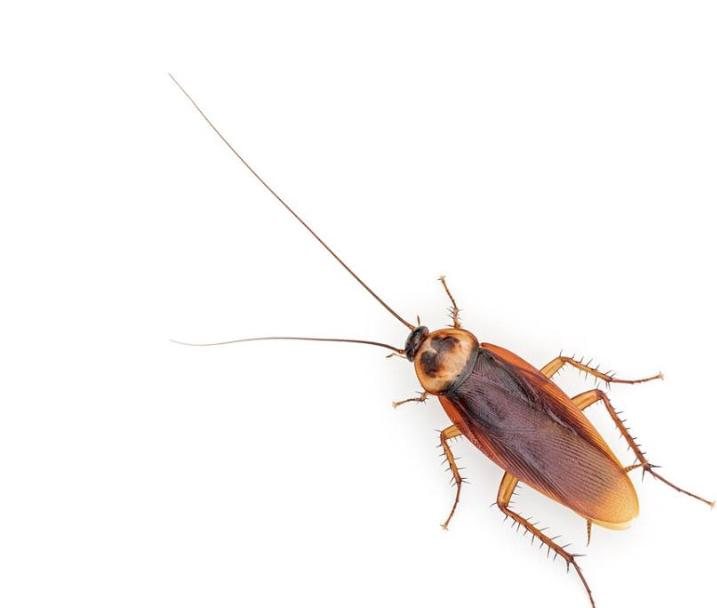
- Cockroaches: American and German cockroaches thrive in kitchens, attics, and humid bathrooms.
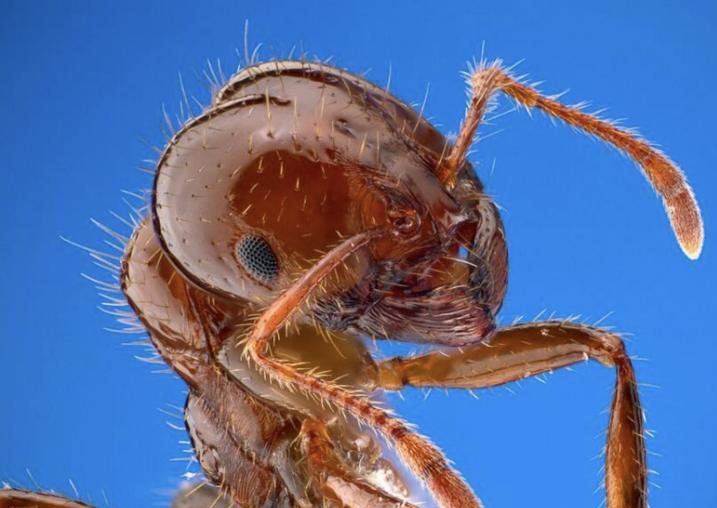
- Ants: Ghost ants, sugar ants, and carpenter ants are especially common after summer rains.
- Mosquitoes: Florida has over 80 mosquito species — more than any other state. They peak in summer and after heavy rains.
- Rodents: As weather cools in fall, rats and mice move indoors.
- Spiders: Usually harmless, but a big source of “freak out” calls.
What time of year are pests worst in Tampa Bay?
- Spring: Subterranean termites start swarming. Ant colonies expand.
- Summer: Mosquitoes and roaches thrive in humidity. Drywood termites swarm at dusk.
- Fall: Rodents look for shelter; spiders pop up indoors more often.
- Winter: Fewer mosquitoes, but ants and roaches stay active inside warm homes.
Can I just DIY this, or do I need a service?
We hear this all the time.
“Can’t I just spray some stuff from Home Depot?”
- DIY may help with small, occasional problems (like a single ant trail).
- For recurring issues — roaches in the kitchen, mosquitoes breeding outside, or termites — sprays are a temporary fix.
- UF/IFAS notes that termites especially require professional identification and treatment, since species differ and DIY often misses hidden colonies.
How safe are treatments for kids and pets?
- General pest treatments: Low-toxicity and safe once dry.
- Mosquito control: Yard sprays or larvicides are safe when applied correctly.
- Termite fumigation: Requires vacating the house for 1–2 days, but is safe after airing out.
But here’s where organic pest control companies like us do things differently:
- We lean on organic and reduced-risk treatments designed to be safe from the start — not just “after they dry.”
- Instead of broad chemical sprays, we use targeted methods (like essential oil-based solutions and physical barriers) that knock pests down while protecting your household.
- Our focus is long-term prevention: sealing entry points, reducing moisture, and managing the environment so pests don’t come back — without loading your home with unnecessary chemicals.
How much does pest & termite control cost in St. Pete and Tampa?
- Quarterly general pest control: a few hundred dollars per year.
- Full termite fumigation (tenting): typically $1,500–$3,000+ depending on house size.
Just remember: Prevention costs less than repairs. In Florida, homeowners have paid $20,000+ in repair bills for termite damage.
And homeowners’ insurance rarely covers it.
What exactly happens during a typical pest control visit, and how long does it take?
A standard visit in Tampa Bay usually takes 30–60 minutes for a single-family home. Here’s the flow:
- Inspection — technicians look for entry points, droppings, nests, and moisture issues.
- Treatment — targeted sprays, baits, or barrier applications inside and outside.
- Prevention advice — recommendations for sealing or maintenance.
- Follow-up plan — how often you’ll need re-treatments based on your home and pest type.
Bigger jobs (like termite tenting) are scheduled separately and require more prep and time.
What simple steps can I take myself to reduce pests between professional treatments?
Even with regular service, a few habits go a long way toward keeping pests from moving in:
- Seal cracks and gaps around windows, doors, and plumbing.
- Store food in airtight containers and clean up crumbs quickly.
- Keep gutters clear and fix leaky faucets — pests love moisture.
- Empty pet food dishes overnight.
- Reduce standing water in yards to cut down on mosquitoes.
Bottom Line
Living in Tampa Bay means dealing with pests: from termites to mosquitoes to the occasional rat in the attic.
If you’re spotting wings on windowsills, roaches in the kitchen, or mosquitoes that make your yard unusable, it’s time to bring in a St. Petersburg and Tampa pest control service. Schedule an inspection, get your questions answered, and stop pests before they turn into costly problems.