Home / Pest Library / Ticks

Lone star, deer, Gulf Coast and brown dog ticks · Tampa Bay

Ticks: tiny hitchhikers with terrible manners.

Quiet hitchhikers that latch onto pets and people from tall grass and leaf litter. They don’t jump, they don’t fly, they just wait. We use eco-smart, habitat-first strategies to cut risk, without blanket, harsh sprays.

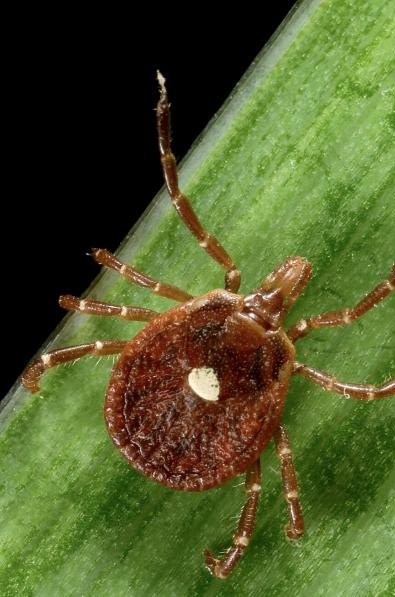
Female lone star tick with its single white dot
Female lone star tick. Photo: James Gathany, CDC (public domain), via Wikimedia Commons.

Quick facts

Danger
Bites can cause irritation and may transmit pathogens (Lyme, ehrlichiosis, Rocky Mountain spotted fever). Prompt removal reduces risk; seek medical advice if symptoms occur.
Season
Year-round in Florida; pressure peaks spring through summer and after rains.
Common areas
Tall grass, leaf litter, fence lines, woodpiles, under decks, trails and wildlife corridors; kennels and dog runs. Brown dog ticks can settle in indoors.
Treatment
Habitat reduction, a tick-safe buffer zone, precise low-impact applications to harborages, desiccant dusts in voids, and scheduled follow-ups. No broadcast spraying.

Risk meter

Nuisance Medium
Health High
Property Low

Description and behavior

Common Tampa ticks include lone star, blacklegged (deer), Gulf Coast, and brown dog ticks. They don’t jump or fly; they “quest” from vegetation and latch on as you or your pet brush past.

Outdoors they favor shaded, humid cover. Indoors, brown dog ticks hide in cracks, behind baseboards, and around kennels. Wildlife traffic (raccoons, opossums, rodents) and neighborhood pets can seed yards with new ticks.

Signs of an infestation

  • Ticks found on pets or people after yard time or walks
  • Sightings along fence lines, wood edges, or under decks
  • Pets repeatedly picking up ticks despite preventives
  • For brown dog ticks: ticks or shed skins along baseboards, crates, or wall gaps

Florida’s most wanted

UF/IFAS experts list five hard ticks Floridians are most likely to meet: the blacklegged tick, American dog tick, lone star tick, Gulf Coast tick, and brown dog tick.[2] Here are the three we see most around Tampa Bay homes.

Lone star tick

Amblyomma americanum

  • Females wear one light-colored spot on the back, like a tiny badge of bad news.[3]
  • Perhaps the most common human-biting tick in Florida. Every life stage will bite people.[2]
  • Linked to ehrlichiosis, STARI, and even a red-meat allergy.[2][3]
Bites people

Blacklegged (deer) tick

Ixodes scapularis

  • Smaller than lone star and dog ticks.[1]
  • Hangs out in leaf litter and shady, wooded edges.
  • The tick that spreads the bacteria behind Lyme disease.[2]
Disease risk

Brown dog tick

Rhipicephalus sanguineus

  • Feeds mainly on dogs and shows up where dogs hang out.[3]
  • Unusual among ticks: it can complete its whole life cycle indoors.[4]
  • Infestations in homes and kennels can reach dramatic levels.[4]
Indoor risk

Science says

Ticks are small, patient, and surprisingly well-studied. Here’s what UF researchers want you to know.

5

Five ticks to know

Of all the ticks in the world, five hard-tick species account for most Florida encounters with people and pets.[2]

#1

The state’s top biter

The lone star tick is perhaps the most common human-biting tick in Florida, and larvae, nymphs and adults will all bite.[2]

Indoors?!

The tick that moves in

Brown dog ticks can finish their entire life cycle inside a home, which is why they need an indoor plan, not just yard work.[4]

3 hosts

Three meals, three chances

Lone star ticks feed on a different host at each life stage, from wildlife and pets to people.[1]

Prevention tips for Florida homes

  • Keep grass mowed; trim shrubs and hedges off fences and play areas
  • Remove leaf litter and brush piles; store firewood off the ground
  • Install a wood-chip or gravel border at tree lines and around playsets
  • Block crawlspace gaps; secure trash to discourage wildlife
  • For pets, follow vet-prescribed tick preventives year-round
  • After yard work or trails, tick-check and shower; tumble clothes on high heat for 10 to 15 minutes
  • For kennels and crates, launder bedding hot and clean cracks and joints regularly

OrganoBug’s hybrid eco approach

  1. Confirm and map

    Identify species (outdoor vs. indoor brown dog), locate hot zones like fence lines, leaf litter and kennels, and note wildlife pathways.

  2. Habitat-first reduction

    Trim tall grass, thin dense shrubs, remove leaf litter, clean under decks, and create a 3 to 6 foot wood-chip or gravel buffer between lawn and wild edges.

  3. Targeted, low-impact treatments

    Precise applications to tick harborages and desiccant dusts in cracks and voids, timed when pollinators aren’t active. No blanket bloom sprays.

  4. Indoor brown dog tick protocol

    Focused crack-and-crevice work, kennel and surface sanitation, baseboard voids, and rechecks to catch emerging stages.

  5. Pet-care coordination

    We align with your veterinarian’s year-round preventives so pets, home, and yard are covered together.

  6. Follow up and monitor

    Re-inspect in about 2 to 3 weeks, adjust, and set a seasonal plan for lasting suppression.

Frequently asked questions

Can you make my yard 100% tick-free?

Outdoors, total elimination isn’t realistic. Habitat reduction plus precise eco treatments plus pet preventives greatly cut encounters.

How long do results last?

Expect relief for several weeks; we adjust timing based on weather, irrigation, and landscaping density.

Are your treatments safe for kids, pets, and pollinators?

We prioritize habitat fixes and targeted, reduced-impact applications away from blooms and during low bee activity, with clear re-entry guidance.

What about brown dog ticks inside?

We use focused crack-and-crevice methods and follow-ups to intersect their life cycle. No foggers or whole-house blanket sprays.

Do ticks live in trees and drop on you?

Ticks quest from low vegetation and leaf litter, not from overhead branches.

Will wildlife keep reintroducing ticks?

Wildlife can reseed yards. Exclusion, sanitation, and buffers reduce pressure; neighborhood coordination helps.

Do natural sprays work?

Some botanicals offer short-term knockdown. Lasting control comes from habitat changes and precise, label-directed treatments.

I’m seeing ticks even with pet meds. Why?

Preventives don’t stop every attachment; they reduce feeding and disease risk. Yard habitat reduction plus targeted service lowers encounters.

Make your yard a tick-smart zone

We’ll identify species, fix the habitat, and apply precise, eco-minded treatments that protect your family and pets.

Sources and photo credits

  1. Holderman and Kaufman, “Lone Star Tick, Amblyomma americanum” (EENY-580 / IN1017), UF/IFAS EDIS. edis.ifas.ufl.edu/publication/IN1017
  2. UF/IFAS Extension, “A Friendly Reminder About Ticks” (Pest Alert, 2021). blogs.ifas.ufl.edu/pestalert
  3. UF/IFAS Extension, “Ticks and Disease.” sfyl.ifas.ufl.edu
  4. UF/IFAS EDIS, “Brown Dog Tick, Rhipicephalus sanguineus” (IN378). edis.ifas.ufl.edu/in378

Photo: James Gathany, CDC, public domain, via Wikimedia Commons. Facts are summarized in our own words from the publications above. OrganoBug is not affiliated with or endorsed by the University of Florida.