
Ticks · September 11, 2025 · 2 min read
How to Remove Ticks at Home (Safely!)
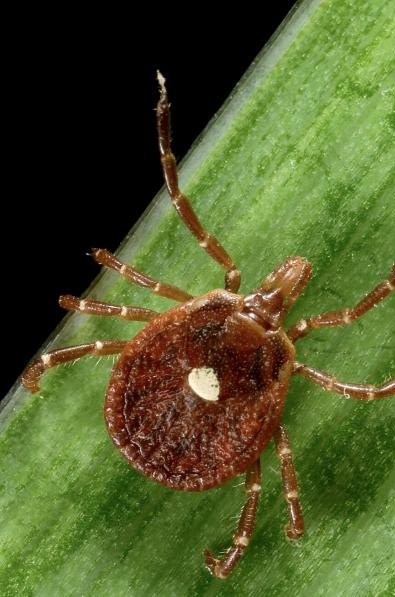
Spotting a tick on yourself, your kid, or your dog is like finding a raisin in your cookie that you swore was chocolate.
Instant disgust (and panic)
The good news is that removing ticks at home is quick, safe, and a lot less dramatic than the horror stories you’ve heard.
You just need the right tools and a steady hand.
What do you need to remove a tick?
The safest method is also the simplest. All you need is:
- Fine-tipped tweezers
- Rubbing alcohol
- Soap and water
- A small sealed bag or container (for saving the tick, just in case)
Skip the home remedies you might hear about like nail polish, petroleum jelly, or a hot match. Those methods don’t work and can make ticks burrow deeper.
How do you actually remove a tick?
- Use tweezers to grasp the tick as close to the skin’s surface as possible.
- Pull upward with steady, even pressure. Don’t twist — you want the whole tick, not just half.
- Clean the area and your hands with soap and water or rubbing alcohol.
- Dispose of the tick by flushing it down the toilet or sealing it in a bag. If you’re concerned about disease, you can save it to show your doctor or vet.
Think of it like pulling out a splinter: slow, steady, and no shortcuts.
What should I do after removing a tick?
- Watch for symptoms like rash, fever, or flu-like feelings over the next few weeks.
- In Florida, ticks can transmit illnesses like Lyme disease, ehrlichiosis, and Rocky Mountain spotted fever (Florida Health).
- If you notice unusual symptoms, see a doctor and let them know you had a tick bite.
For pets, keep an eye out for lethargy, loss of appetite, or lameness — and call your vet if anything seems off.
How do I keep ticks from coming back?
- Mow the lawn regularly and remove leaf litter.
- Keep play areas and patios away from shrubs and tall grass.
- Use vet-approved tick prevention on pets.
- Treat yards with pest control services to reduce tick habitats.
Ticks in Florida don’t take winters off, so prevention is a year-round job.
A safer way to protect your home and pets
If you’d rather not spray your yard with harsh chemicals, organic pest control is a safer option. Organic methods focus on reducing tick habitats and using low-toxicity treatments that target ticks while protecting your family, pets, and the environment. Think of it like having a bodyguard for your yard — but one who’s eco-friendly.