Termites · July 22, 2025 · 4 min read
When Is Termite Swarming Season in Florida?
Do you want the good news or the bad news first? It’s been a stressful year. Let’s go with the good news: Termite swarming season in Florida only peaks between February and April. That’s when they collectively fly (yes, termites fly) to find new homes and start new colonies. The bad news? Termite season is kinda year-round in Florida. Unfortunately, snowbirds aren’t the only creature that enjoys our light winters and warm temperatures.
Do you even have Termites?
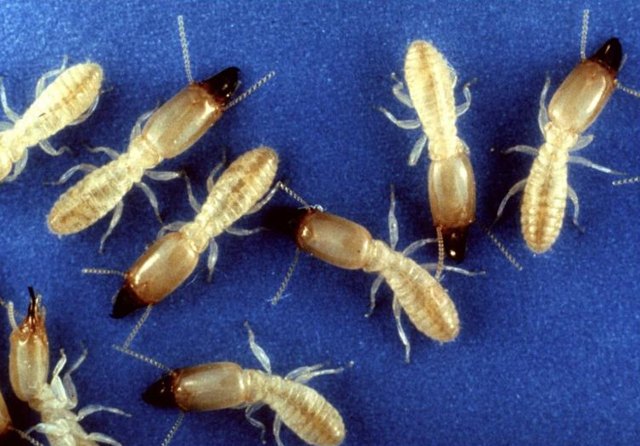
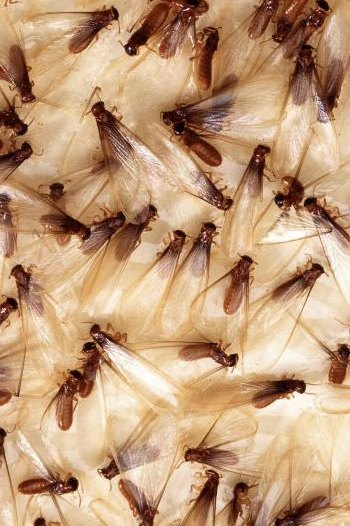
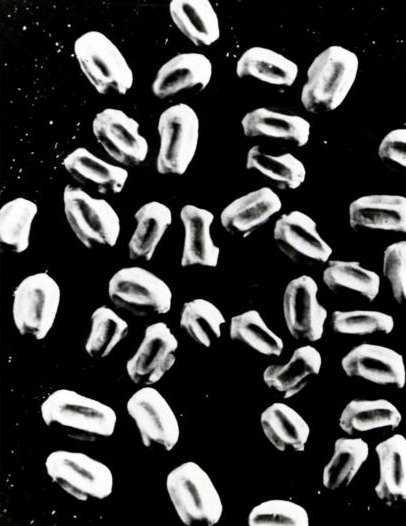
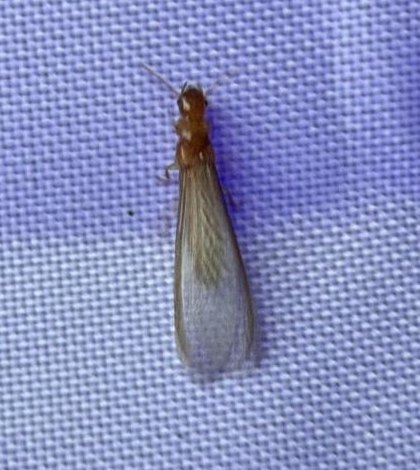
Do you want the good news or the bad news first? If you’re finding loose wings around your house, it’s a sign you there’s a colony nearby Not all termites have wings, though. Only the swarmers. Flying termites (aka swarmers) specifically like to hang out near windows, doors, or lights The workers, soldiers, king and queen (who knew termites operated under a monarchy?) don’t have wings. But! You’ll know where their kingdom is if you see these termite droppings piled up near your baseboards or windowsills.
3 Different Termite Swarming Seasons in Florida
I know I said termite swarming season in Florida is February to April, but that’s just when you’ll see them the most. Some termites barely leave any signs that they’re buried in your real estate. Others prefer to sneak in during the off-season, which is why Florida’s termite threat is basically year-round.
Eastern Subterranean Termites
Late winter through early spring (February–May) Usually in the morning, especially after rain.
Formosan Subterranean Termites
Late spring through early summer (April–July) Typically swarm at night, especially around lights.
Drywood Termites
Late summer through early fall (August–October) Most active in the evening, indoors or near light sources.
Why do termites swarm? Why Florida?!
Great question. Because like Florida tourists, different termite species have very specific travel (ahem, swarming) preferences. Just like your divorced uncle who moved to Florida, termite swarming is all about reproduction. Basically, this is how Termite Tinder operates:
The Launch:
The colony produces thousands of alates, who take flight all at once ( a swarm).
The Mingle:
They pair off mid-air or shortly after landing.
The Honeymoon:
Once coupled, they shed their wings. They never fly again. Their wings are gone for good, like a retired pilot who’s settled down in Clearwater.
The Foundation:
Worker and soldier termites start digging into wood, soil, or your baseboards (cute, right?) to begin a new colony.
The Family:
If conditions are right (moisture, warmth, and wood), they start laying eggs and growing a new infestation. So swarming isn’t just some small termite party. It’s a warning sign that a nearby colony is alive, well-fed, and ready to multiply.
How to Prepare for Termite Swarming Season in Florida
If you want your Florida home to be as Undesirable as Harry Potter in Deathly Hallows, here’s what you need to do to keep termites away: 1. Cut off the moisture Termites love damp conditions like Floridians love Publix subs. Fix leaks, unclog gutters, and don’t let water pool near your foundation. 2. Declutter the buffet Keep firewood, mulch, and cardboard at least 4 inches away from your house. To termites, that’s a charcuterie board with a side of drywall. 3. Seal the entry points Check for cracks in your foundation, gaps around pipes, and any wood-to-ground contact. During swarming season, swap out bright outdoor lights for yellow or purple bulbs to avoid drawing them in like it’s bug spring break. Basically, if it looks like a welcome mat for termites, fix it. 4. Schedule a termite inspection It can be extremely difficult to spot signs of termites (especially drywood termites). An annual check-up by a licensed pest control pro can spot the signs you’ll likely miss in dark corners or crawl spaces, such as: hollow-sounding wood pinhole-sized exit holes blistered paint mud tubes frass (termite droppings) 5. Install bait stations or barriers Depending on your setup, you might want preventive treatment. Even organic or low-toxicity options can keep colonies from gnawing through your equity. I recommend Borate wood treatments and Cold Pressed Orange Oil.
In tampa? get a quote here!
How OrganoBug (Organically) Treats Termites in Florida
As a dad with two little kids and fur children, my number one priority when it comes to pest control is treating the problem with as little chemicals as possible. At OrganoBug, we take a science-backed, soil-friendly approach to termite control because we believe your home should be safe enough to take a nap on the floor (whether you have toddlers or tail-waggers). Instead of defaulting to heavy-duty pesticides, we use Integrated Pest Management (IPM) strategies like: Botanical-based treatments that target termites without harming our ecosystem. Habitat modification to make your home less appealing to pests. Targeted applications (not a spray-everything-and-hope-for-the-best mindset).