Rats · October 10, 2025 · 2 min read
Rats in Florida: Why They’re Here and What to Do About Them
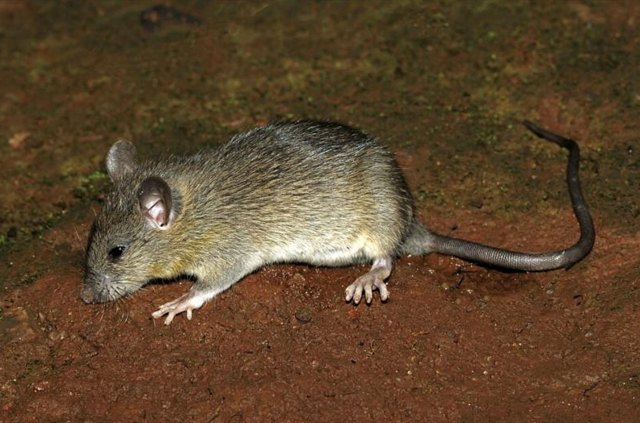
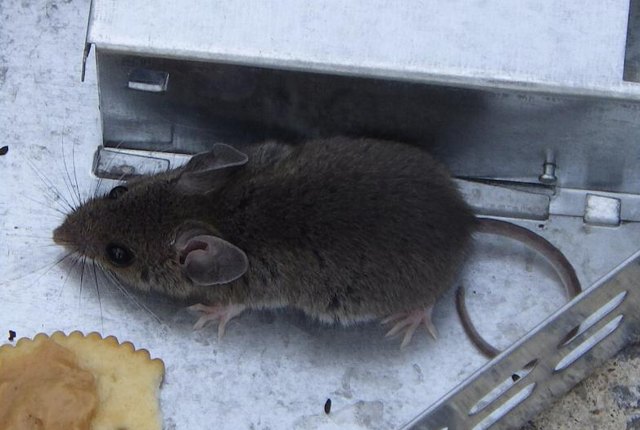
Rats in Florida are common because the climate gives them everything they need to survive year-round: warmth, water, and food. If you’re seeing rats around your home, it’s not random bad luck — it’s Florida doing what Florida does.
The key is understanding why rats show up, where they hide, and when it’s time to step in.
Why rats are so common in Florida
Florida’s warm temperatures mean rats don’t get a seasonal break. There’s no winter slowdown, no “die-off” period, and no shortage of food sources.
According to the Centers for Disease Control and Prevention, rats thrive in areas with easy access to food, water, and shelter — which describes most Florida neighborhoods perfectly. Outdoor trash, pet food, fruit trees, and even bird seed can attract them fast.
If rats are nearby, they’re usually there because something is feeding them.
Source: Orkin 2026 list, reported by WKMG ClickOrlando, Oct. 22, 2026.
Where rats hide around Florida homes
Rats are pros at staying out of sight.
Common hiding spots include:
- Attics
- Crawl spaces
- Garages
- Sheds
- Dense landscaping near foundations.
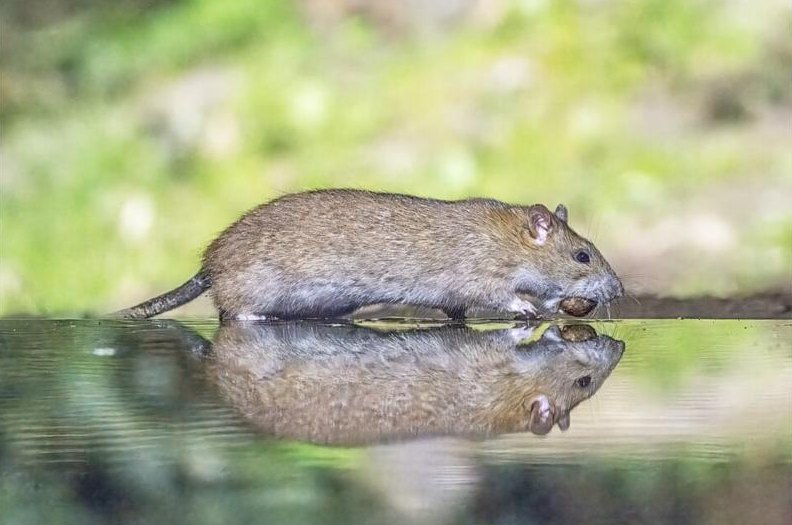
Roof rats are especially common in Florida and prefer elevated spaces like attics and trees. Norway rats tend to stay lower, nesting near ground level, drains, and cluttered areas.
If you’re hearing scratching or movement at night, that’s a major red flag. Rats are nocturnal, so nighttime activity usually means they’ve settled in.
Signs you may have rats in Florida
The most common signs include droppings, gnaw marks, greasy rub marks along walls, and noises in the attic or walls.
You may also notice damaged insulation, chewed wiring, or a strong ammonia-like odor.
Seeing one rat usually means there are more nearby. Rats don’t live solo for long.
The U.S. Environmental Protection Agency notes that rodents can cause structural damage and increase fire risk by chewing electrical wires. That’s why early detection matters.
Are rats in Florida dangerous?
Yes. Rats can spread bacteria, contaminate food, and damage property.
They don’t need to bite you to create a problem — droppings and urine alone can pose health risks.
Rats also reproduce quickly, which means a small issue can turn into a big one real quick. Ignoring the signs is how infestations grow.
This is one of those “don’t wait and see” situations.
What to do if you have rats in Florida
- Start by removing food sources, sealing trash, and trimming vegetation away from your home.
- Next, seal entry points around doors, vents, and utility lines.
- Avoid relying on traps alone.
Catching one rat doesn’t mean the problem is gone.
Professional pest control focuses on identifying entry points, removing active rats, and preventing re-entry.
At OrganoBug, we use organic and low-toxicity solutions designed for Florida homes, pets, and kids.
Because rats don’t pay rent — and in Florida, they’ll move in ASAP if you let them.
IN TAMPA OR ST. PETE?Contact OrganoBug and let’s handle rats the right way.