Rats · October 20, 2024 · 2 min read
Mouse vs. Rat: How to Tell, Plus Natural Repellents
If you’re trying to figure out mouse vs rat, here’s the fastest answer:
Rats are bigger, louder, and cause more damage. Mice are smaller, sneakier, and multiply faster.
Both are a problem, but knowing which one you’re dealing with changes how you handle it.
Let’s break it down visually, then talk about natural ways to keep them under control.
Mouse vs rat size and appearance
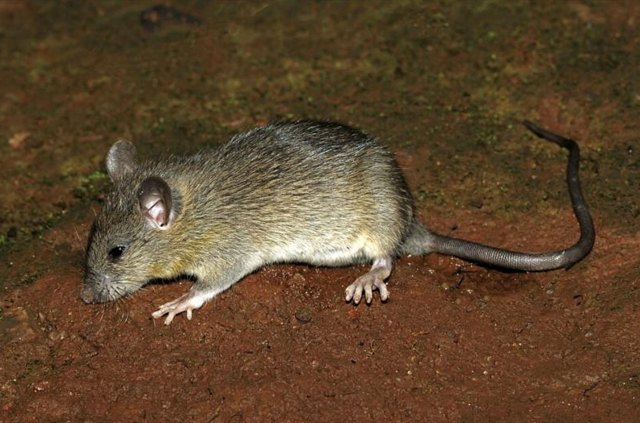
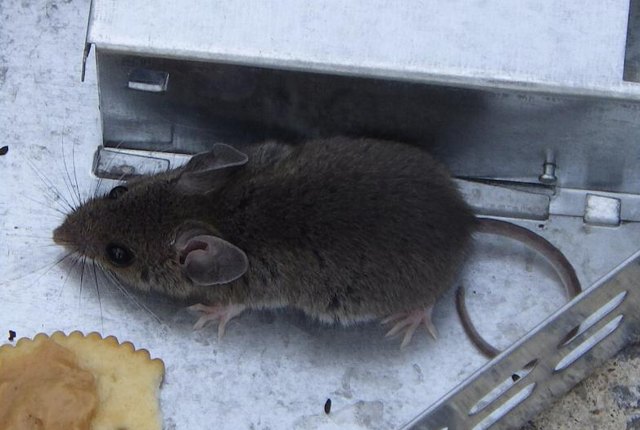
Rats are much larger than mice, usually 12–18 inches long including the tail and up to 1 pound or more. Mice are typically 5–7 inches long including the tail and weigh less than an ounce.
Rats have thick bodies, blunt noses, and long, scaly tails. Mice have slimmer bodies, pointed noses, and thinner tails.
According to the Centers for Disease Control and Prevention, size alone is often the easiest way to tell the difference when droppings or noises are involved.
View as table
| Item | Babies per year |
|---|---|
| Norway rat | up to 84 |
| Roof rat | up to 48 |
| House mouse | up to 48 |
Calculated from UF’s litter sizes: Norway rat 8–12 young, up to 7 litters; roof rat 6–8 young, up to 6 litters; house mouse 5–6 young, up to 8 litters. Source: UF/IFAS EDIS, Rat and Mouse Control (ENY-224).
Mouse poop vs rat poop
Rat droppings are larger, darker, and shaped like blunt-ended capsules. Mouse droppings are much smaller and pointed, closer to a grain of rice.
If you notice fewer but larger droppings, that usually means rats. Lots of tiny droppings scattered everywhere usually point to mice.
Droppings are one of the clearest signs that rodents are active indoors, not just passing through.
Behavior differences between mice and rats
Mice are curious and will explore new spaces quickly. Rats are cautious and avoid unfamiliar objects, which makes them harder to trap.
Rats are also stronger chewers and can cause serious damage to wiring, insulation, and structural materials. The U.S. Environmental Protection Agency notes that rats are more likely to cause fire hazards due to wire damage.
If you’re hearing loud scratching, thumping, or movement at night, that usually leans rat. Light, quick scurrying sounds tend to be mice.
Natural repellents for mice and rats (what actually helps)
Natural repellents can help discourage activity, but they won’t eliminate an infestation on their own. Think of them as a support act, not the headliner.
Peppermint oil is commonly used because rodents dislike strong smells. Placing peppermint-soaked cotton balls near entry points can help deter exploration.
Sealing food in airtight containers and removing pet food overnight is one of the most effective “natural” steps. No food means no motivation.
Keeping vegetation trimmed away from the home and sealing gaps around doors, vents, and pipes also makes a big difference. Rodents don’t like working harder than they have to.
The CDC emphasizes that exclusion and sanitation are the most reliable non-toxic prevention methods.
When natural methods aren’t enough
If rodents are already inside, repellents alone won’t solve the problem. Once mice or rats move in, they’re committed.
Professional pest control focuses on identifying entry points, removing active rodents, and preventing re-entry. At OrganoBug, we use organic and low-toxicity solutions that protect your home without putting kids or pets at risk.
Because whether it’s a mouse or a rat, neither one belongs in your house.